Between Service Visits: A Diesel Walkaround You Can Do Yourself
Five minutes with the unit before the first start catches most problems while they're still small.
September 23, 2026 · 4 min read
Between service visits, a diesel truck or a piece of equipment spends most of its time with nobody looking closely at it. A five minute walk around it before the first start of the day catches problems while they're still small. You don't need tools or training, only a habit and a sense of what normal looks like for your particular unit. The goal isn't to diagnose anything. It's to notice change, because change is what a shop wants to hear about.
Start With the Ground Under It
Before you climb in, look at the ground where the unit sat overnight. A dark spot, a wet patch, or a drip trail means a fluid is going somewhere. Note where it sits under the machine, since that narrows the source, and note the color. Engine oil runs from amber to black, coolant is often bright green, orange, or pink, and hydraulic fluid tends to be lighter than oil. Fresh drips on clean pavement are easier to read than a stain that has built up for weeks. If you suspect a slow leak, a flattened cardboard box under the engine overnight shows you exactly where it lands.
Check fluid levels with the unit on level ground. Engine oil, coolant, and the hydraulic reservoir if the machine has one all have marks you can read. Never open a hot cooling system. A level that drops from one check to the next means fluid is leaving somewhere, even when you can't find a puddle. Snap a photo of the dipstick each time so you have something to compare against next week.
Look at the Belts and Hoses You Can See
You can judge a lot from the outside. On a belt, look for cracks across the ribs, frayed edges, a glazed and shiny surface, or chunks missing. On hoses, squeeze the ones you can reach safely with the engine off and cool. A healthy coolant hose feels firm with a little give. One that's rock hard, mushy, or bulging near a clamp is near the end of its life. Look at clamps and fittings for crusty residue or staining, which is what a slow weep leaves behind after the fluid dries. Check wiring and lines for any spot where they rub against a bracket or the frame.
Smoke, Sound, and Smell
When you start the unit, pay attention to the first few seconds. Note how long it cranks, whether it catches cleanly, and what comes out of the exhaust. A puff of smoke on a cold start that clears quickly is a different thing from smoke that lingers or has a new color. Listen for a knock, tick, whine, or squeal that wasn't there last week. A squeal on startup often points to a belt, while a new knock needs a closer look. Your nose helps too. Raw fuel, hot oil, and the sweet smell of coolant each tell you where to look next.
Warning Lights Are Information
With the key on, most warning lights come on briefly as a bulb check and go out once the engine runs. A light that stays on, or comes and goes while you drive, is the unit reporting something it measured. Don't dismiss it because the truck seems to run fine. Write down which light it was and when it showed up, at startup, under load, on a grade, or after fueling. That detail is a big help to whoever has to trace it later.
When to Call a Shop
Not everything you find needs a repair, and a single small drip on an older unit may be something you keep an eye on. These are the findings that shouldn't wait.
- A fluid level that keeps dropping, or a leak that's getting bigger
- A hose that's bulging, soft, or cracked, or a belt that's frayed or missing pieces
- Smoke that's new, heavier, or a different color
- A knock or a new noise that doesn't fade as the engine warms up
- A warning light that stays on or keeps coming back
- Hard starting, or a loss of power under a load the unit used to pull without trouble
Some of these are reasons to shut the unit down rather than drive it in. An oil pressure or temperature warning, a heavy coolant loss, or a fuel leak near hot parts are not things to run through. When you do call, your walkaround notes make the conversation shorter and more useful: where the drip was, what color it was, which light came on, and when the noise happens.
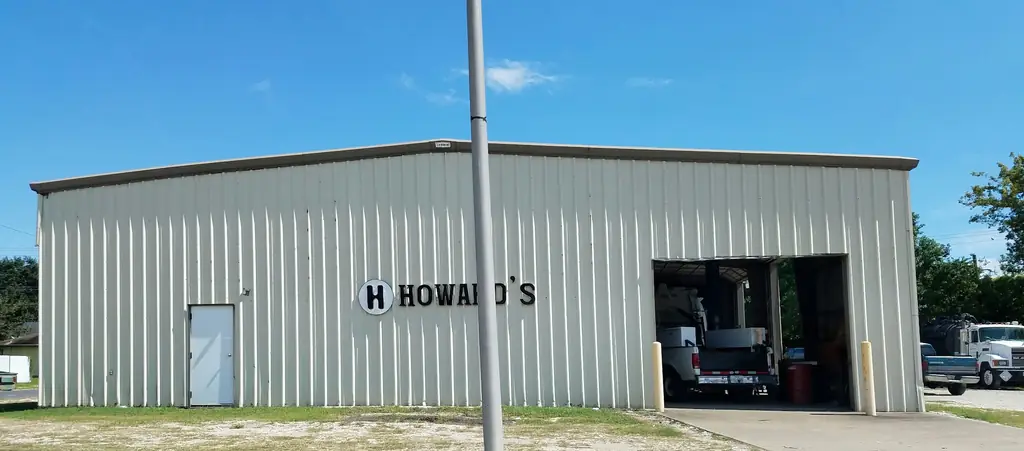
Howard's does diagnostics and repairs on vehicles and industrial engines at the diesel and heavy-equipment repair shop at 3348 Gulfway Drive in Port Arthur. The shop is open Monday through Friday, 8:00 AM to 5:00 PM, and closed Saturday and Sunday. Call 409-982-9478 and tell them what you saw.
Howard's Auto & Industrial Supply, (409) 982-9478
Call (409) 982-9478More articles
The Warning Signs Before a Hydraulic Hose Fails
Most hydraulic hoses try to warn you before they let go. Here's what to look for and how a replacement is matched.
Diesel Warning Signs Worth a Diagnostic Before They Get Worse
A diesel engine usually signals trouble well before it strands you. Here's what those signals mean.